The Job of Being a Jump Jockey
A steeplechase jockey (also called a jump jockey or National Hunt jockey in the UK and Ireland) has one of the most demanding careers in horse racing. A jockey's professional life is physically demanding, highly competitive, and built around constant training, travel, and split-second decision-making.
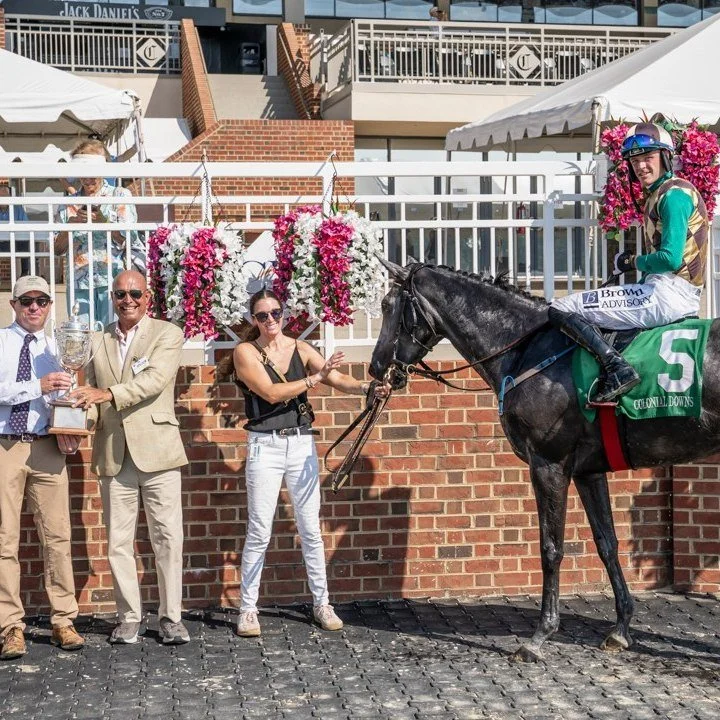
For jockey Bernard Dalton, the pull started early.
“When I was a kid, we lived down the road from the racing stables in Ireland. I'd see the horses going by, and ever since I was about two or three, it's all I wanted to do.”
A Different Kind of Race
Unlike flat racing, steeplechase races require horses and riders to jump obstacles such as fences, hurdles, ditches, and water jumps, and to race over longer distances. That changes almost every aspect of the job. Jockeys have to make split-second decisions about jumps, taking in the speed, the placement of the other horses, and the stamina of their own mount. Steeplechase races run considerably longer than flat races, requiring the jockey to know the horse and its fitness level, and to know when to conserve energy and when to move up.
The course itself is part of the appeal. Where a flat track sends horses around a circle in one direction, a steeplechase course keeps changing underneath them.
“It's a nice track for a horse. I think it's just because it's a change. They're usually on a flat track going left-handed in a circle. Here, you're going up, down, round. They never seem to know where they are.”
Riding it well means tracking everything at once.
“You've got a lot going on, but it's kind of like driving down the motorway. You're always aware of what everybody else is doing at the same time. Are they going fast enough, or are they going too fast? Make sure your horse is jumping well and that you're trying to be in the right position at the right time.”
That awareness matters most late in the race, when there is no ground to spare.
“Especially in the last half of the race, you can't afford to lose any length at the jump. So you're always trying to meet them on a good stride and jump them well and hold your position without using any energy.”
And for riders who spend most of the season over hurdles, the brush fences at a meet like the Montpelier Hunt Races are a genuine change of pace.
“Usually, we're just jumping the hurdle. So getting to jump the hedges is a nice change and a bit of a thrill.”
Horse and Rider
Unlike some flat jockeys who may ride many unfamiliar horses, jump jockeys often develop longer-term partnerships with particular horses. Steeplechase horses typically have longer careers than flat racehorses, and the relationship between horse and rider is more important.
Jockeys often help teach young horses to jump, build trust through regular schooling, and learn to understand each horse's preferred rhythm and jumping style. That relationship can make a significant difference in performance, and it is what allows a rider to meet a fence on a good stride when it counts.
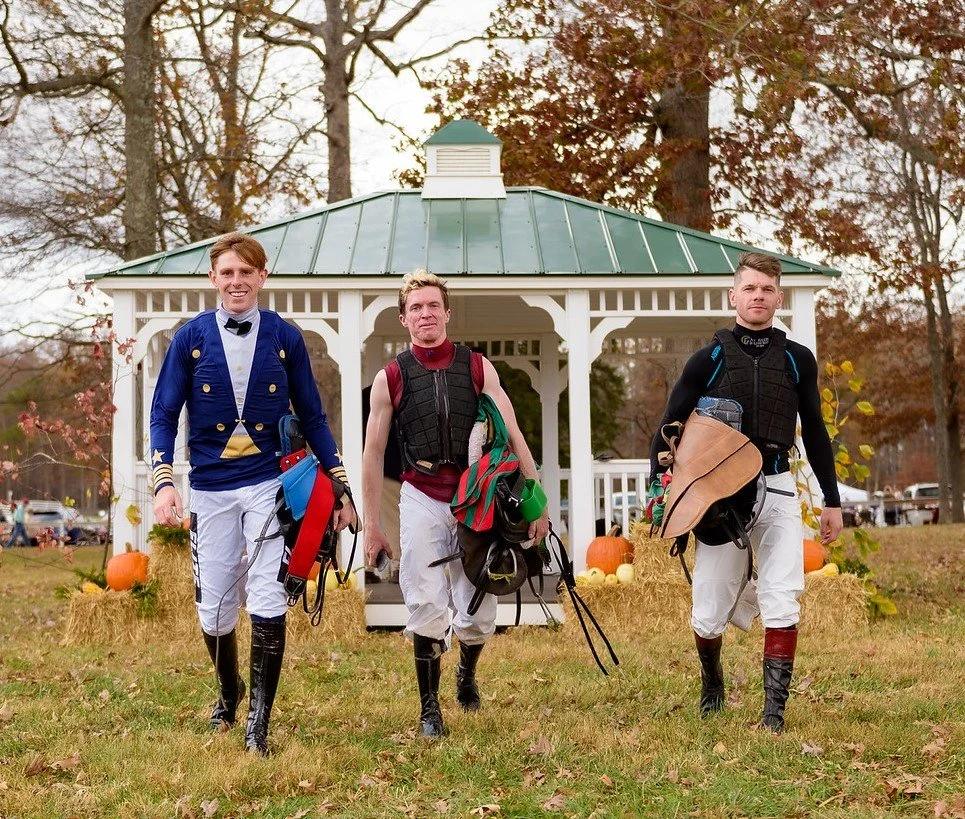
Jump jockeys are generally larger than flat race jockeys because steeplechase horses carry more weight, though they still work to maintain a low riding weight. Every rider wears certified protective headgear and a safety vest, and the discipline demands the conditioning and horsemanship to match the demands of the course. American jump racing is sanctioned by the National Steeplechase Association (NSA), which sets the standards horses and riders compete under.
An International Sport
Jump racing is far more established in Ireland and the UK, and a significant share of the American jockey pool comes from overseas. Dalton's path, from a house down the road from an Irish racing stable to the hedges in Orange County, is a familiar one in this sport. Owners have been known to fly a rider across the Atlantic for a single afternoon at the Montpelier Hunt Races to make sure their horse has the right partner in the irons.
Join Us At the Races on Saturday, November 7th 2026!
The best way to understand what a jump jockey does is to stand at the rail and watch it happen for yourself. It is a tradition that only comes around once a year on the historic grounds of James Madison’s Montpelier.
Gather your friends, plan your tailgate, and we'll see you at the rail.
Follow Along on Social Media